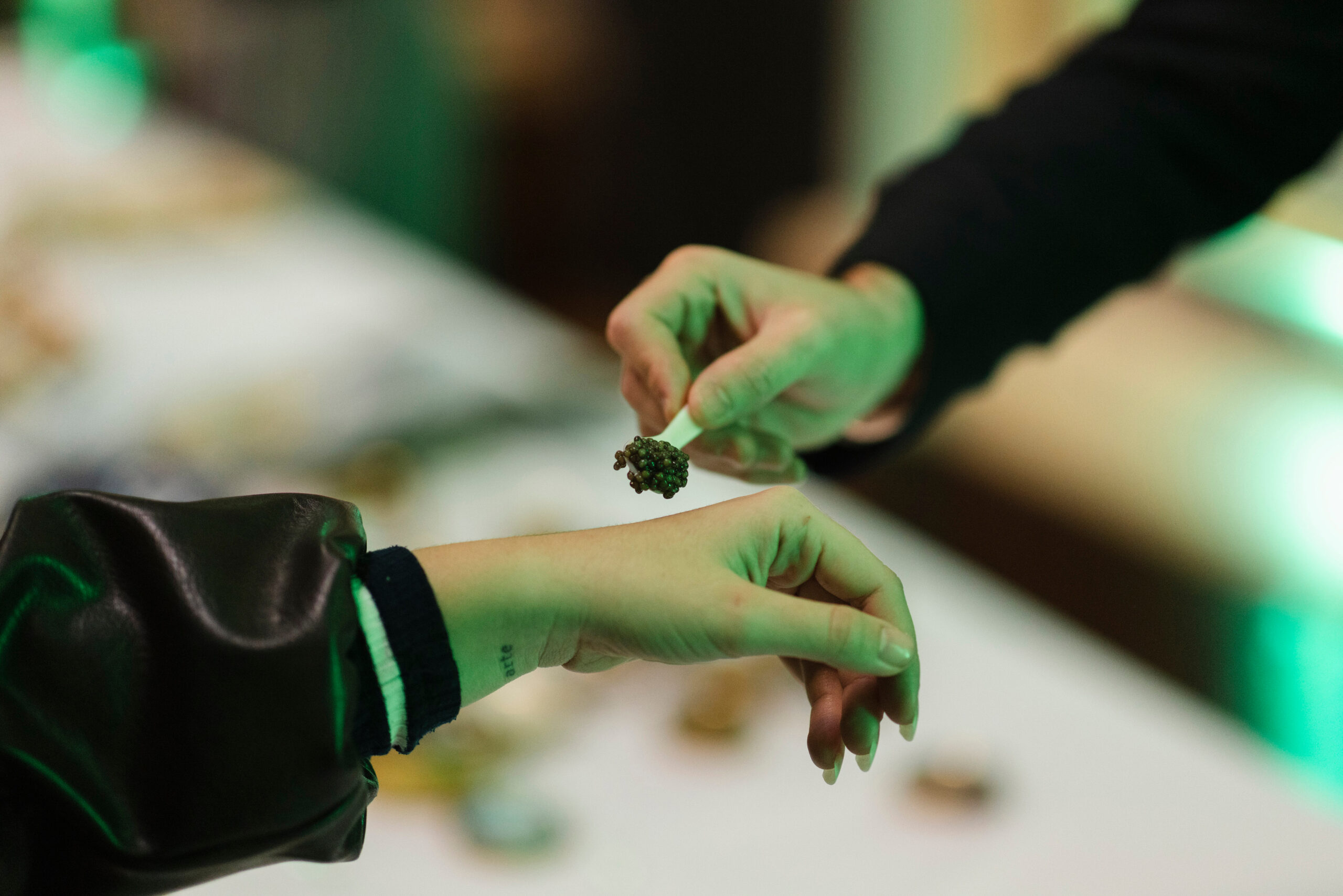
Regarded as one of the world’s most luxurious foods, caviar has a rich and fascinating history that stretches back thousands of years. This gourmet delicacy, produced from sturgeon roe, has long served as a symbol of status, refinement, and cultural prestige across many civilizations.
The story of caviar is as ancient as it is captivating, beginning with the Persians, the first to harvest sturgeon roe from the Caspian Sea. In ancient Persepolis, caviar was known as khav-yar, or “cake of strength,” reflecting the belief that it provided vitality and energy. These early origins gave rise to the renowned Iranian caviar, admired around the world for its exceptional quality and deep-rooted tradition.
Over time, the appreciation of caviar continued to grow and evolve. The Russian Czars embraced it in their imperial courts, solidifying Russian caviar as a symbol of luxury and influence. By the 19th century, European aristocracy and high-society circles in the United States had turned it into a hallmark of elegance and sophistication.
Persians begin consuming sturgeon roe as a source of energy.
Romans and Greeks mention caviar in medical and gastronomic texts.
In Russia, caviar becomes a symbol of power among the Czars.
Russia and Persia dominate global caviar production; exports flow to Europe and the U.S.
Russian caviar establishes itself as a luxury staple in Paris and New York.
Overfishing and pollution threaten wild sturgeon; regulations are imposed. The CITES Convention is created to regulate trade and protect the species’ survival.
CITES places a temporary ban on the export of wild caviar from the Caspian Sea.
Sustainable aquaculture enables caviar production in countries like France, Italy, China, and Uruguay.
Persians begin consuming sturgeon roe as a source of energy.
Romans and Greeks mention caviar in medical and gastronomic texts.
In Russia, caviar becomes a symbol of power among the Czars.
Russia and Persia dominate global caviar production; exports flow to Europe and the U.S.
Russian caviar establishes itself as a luxury staple in Paris and New York.
Overfishing and pollution threaten wild sturgeon; regulations are imposed. The CITES Convention is created to regulate trade and protect the species’ survival.
CITES places a temporary ban on the export of wild caviar from the Caspian Sea.
Sustainable aquaculture enables caviar production in countries like France, Italy, China, and Uruguay.
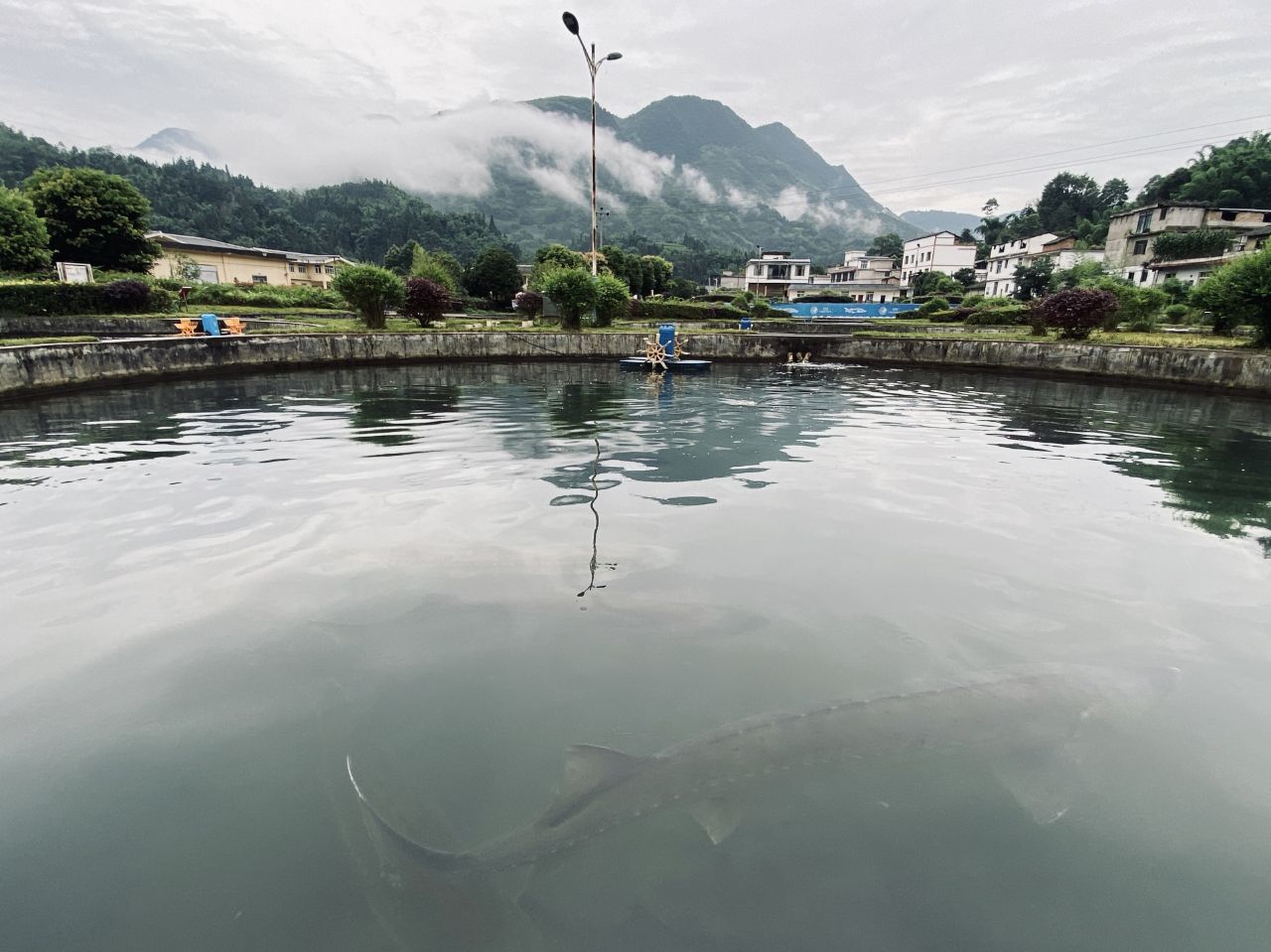
Today, all legally traded caviar comes from sustainable farms that mimic the sturgeon’s natural conditions. This ensures that caviar maintains its prestige, blending history and craftsmanship with a firm commitment to conservation.
Among the new leaders in the industry, Spanish caviar stands out. In just a few decades, it has gone from being virtually unknown to establishing itself as one of the most appreciated varieties for its quality and environmental respect.
At Caviar del Tibet, our commitment fuses with tradition and the purity of mountain waters, creating a caviar that preserves the historic essence of “black gold,” but adapted to the values of the present.
Today, caviar has expanded far beyond its aristocratic beginnings and has become a versatile ingredient in contemporary fine dining. While still considered a luxury product, its availability has grown thanks to responsible aquaculture, allowing chefs worldwide to experiment with new culinary techniques and presentations.
Traditionally served on blinis with crème fraîche, caviar now appears in dishes such as tartares, sushi, handmade pastas, and even creative savory-forward desserts. Its delicate flavor and distinctive texture elevate any preparation.
Additionally, alternative options such as salmon and trout roe, and even plant-based substitutes, are helping make this gourmet experience more accessible without losing its refined appeal.